
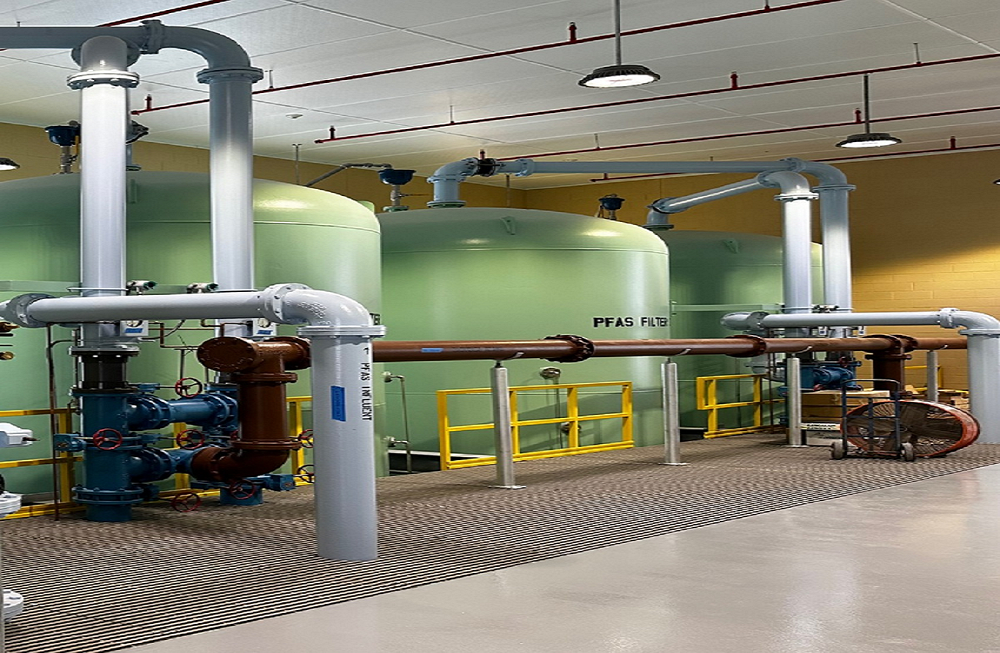
Understand Why Water Treatment is Necessary in Housing Societies
Water is the foundation of a healthy lifestyle, especially in housing societies where hundreds of families rely on a common water source. However, untreated water often carries impurities like sediments, harmful bacteria, chemicals, and hardness-causing minerals. These contaminants can cause health risks, damage plumbing systems, and reduce the overall quality of life.
1. Health & Safety of Residents:
Untreated water may contain bacteria, viruses, and heavy metals that can cause diseases such as typhoid, cholera, and kidney problems. A water treatment system ensures safe, potable water for all families.
2. Prevention of Hard Water Problems:
Hard water leads to scaling in pipelines, geysers, and taps, reducing their lifespan. With proper treatment like softeners and RO systems, housing societies can maintain efficient plumbing and appliances.
3. Cost Savings:
Installing a centralized water treatment plant is more economical than individual home solutions. It reduces medical bills, appliance repairs, and maintenance costs in the long run.
4. Environmental Benefits:
Water treatment promotes recycling and reuse of wastewater for gardening, flushing, and cleaning. This helps conserve fresh water and supports eco-friendly living.
5. Compliance with Regulations:
Housing societies must comply with pollution control norms for wastewater management. An effective STP (Sewage Treatment Plant) combined with clean water supply ensures complete compliance.
By investing in professional water treatment, housing societies ensure healthier families, cleaner surroundings, and a sustainable future..